

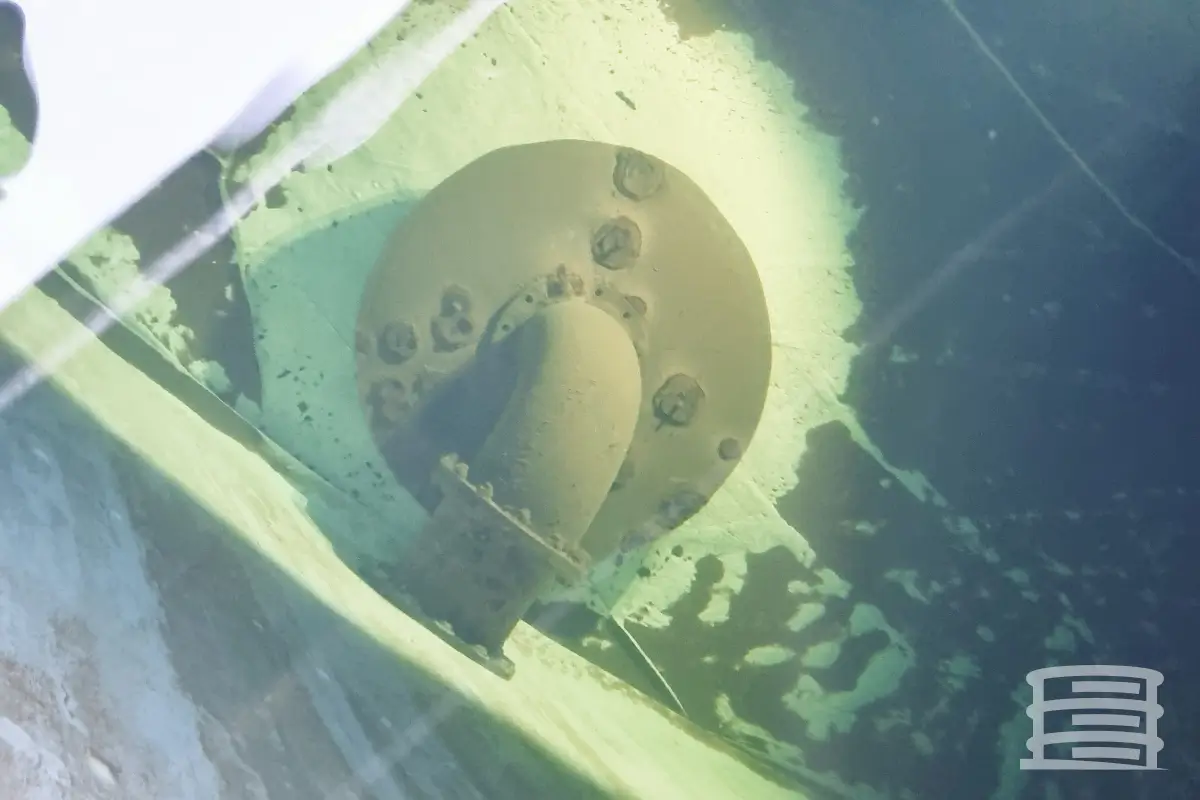
It’s well-acknowledged that aerial inspections offer more accurate location data than manual inspections. Consequently, many oil and gas, energy, and resource companies now integrate drone inspection services into their broader inspection frameworks.
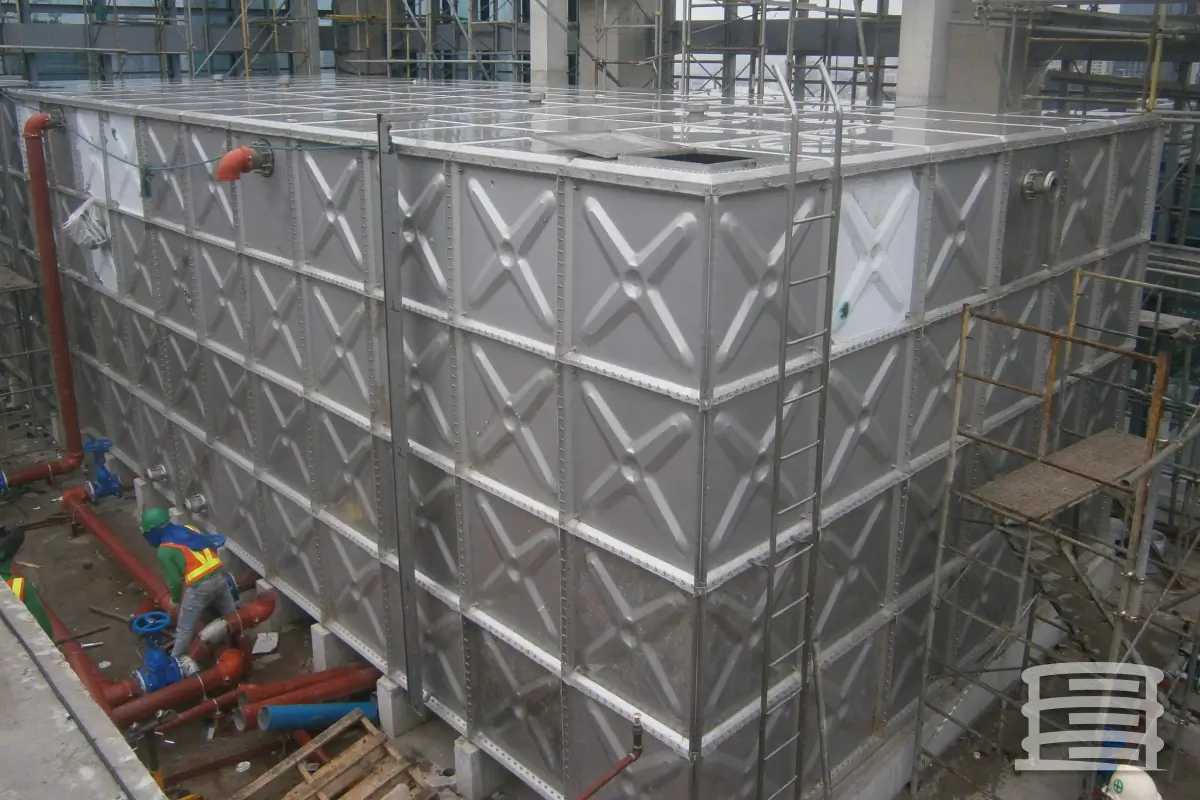
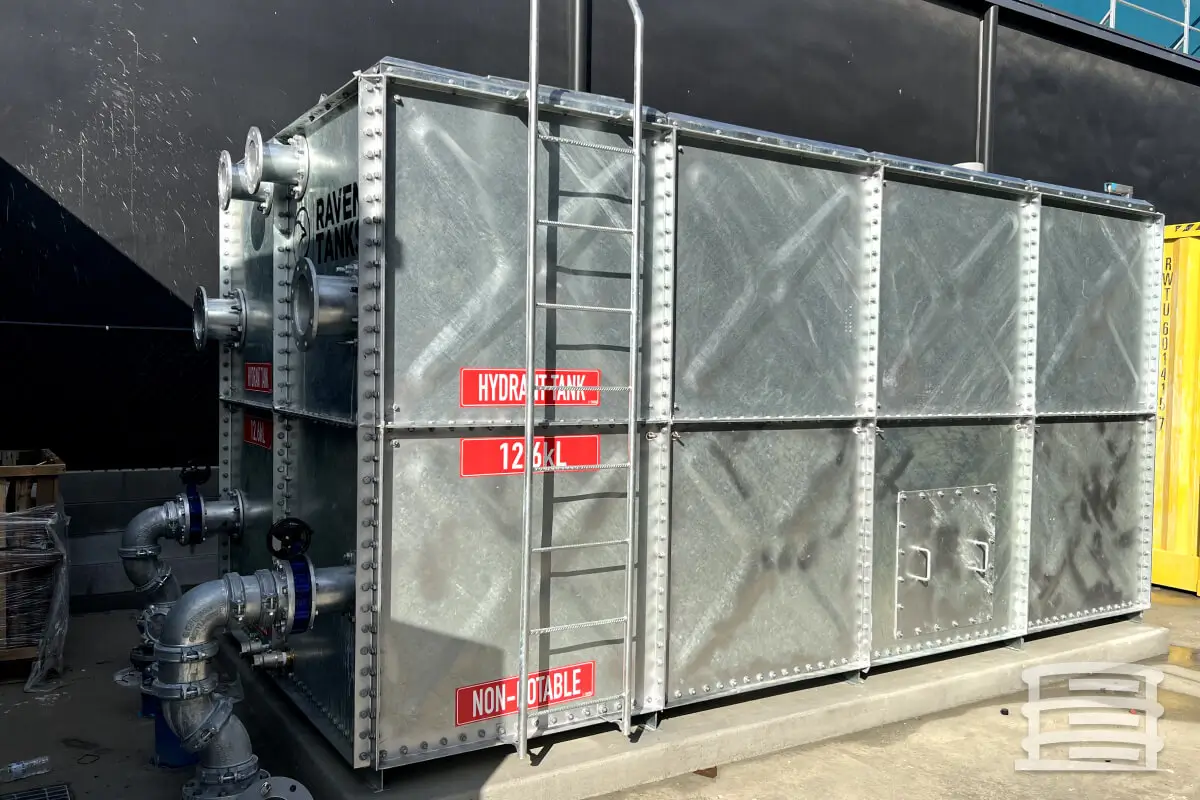
Drones excel in panel inspections due to their advanced sensor technology, which allows for detailed assessments. Their collision-tolerant design ensures the protection of tanks and pipelines during inspections.
Drones have been invaluable across various industries, providing support in agriculture, search and rescue, surveillance, inspections, and firefighting. This versatile technology continues to prove its utility in a wide range of applications.
The Superiority of Drones for Inspections
1. Inspecting Tanks Externally with Drones Reduces Risks
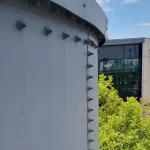
Using drones for external tank inspections eliminates the need to send inspectors to work at dangerous heights or to wait for scaffolding to be erected outside. It’s a straightforward and efficient process! Despite their small size, drones offer significant benefits, allowing service providers and owners to cut labor costs while achieving extensive coverage.
2. Drones Can Operate Beyond the Visual Line of Sight (BVLOS)
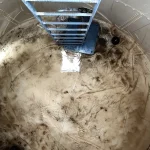
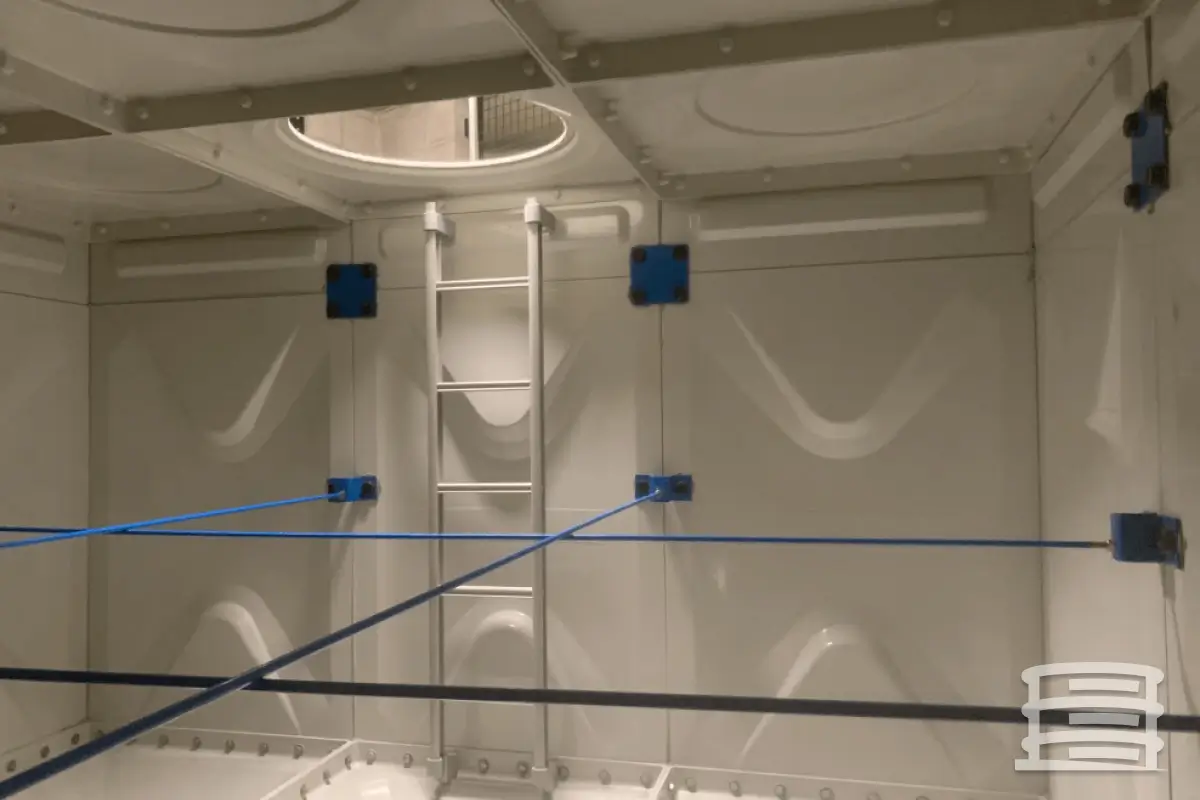
Drones excel at inspections by providing comprehensive views of internal surfaces and structures. Equipped with high-definition cameras, they capture images and videos that can be maneuvered and rotated to inspect even the most challenging-to-reach areas thoroughly.
3. Drones Offer More Than Just Visual Data
Drones enable inspectors to closely examine areas needing maintenance. Beyond visual inspections, drones can be fitted with various sensors to perform a wide range of checks. For example, some companies use thermal imaging drones to remotely measure temperatures, analyze thermal issues, and detect gas and liquid leaks as well as thermal anomalies.
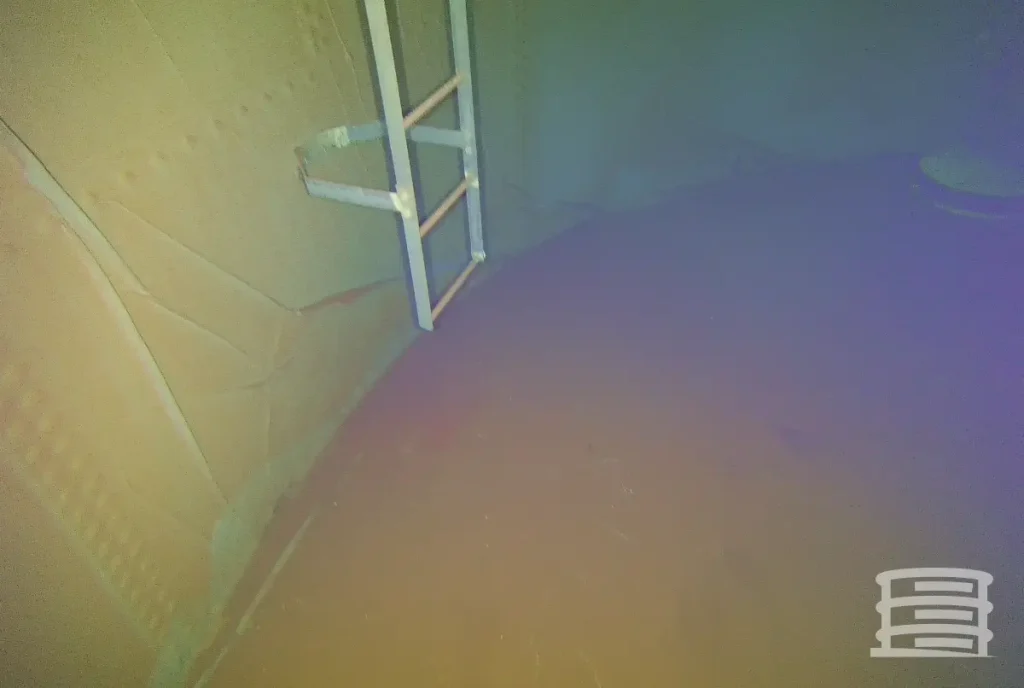
Using Drones for Panel Tank Inspections According to NFPA Standards
For firefighter safety and public protection, NFPA sets the gold standard for fire prevention. Their widely respected NFPA 25 code ensures fire protection systems are properly inspected and maintained around the world. But fire safety goes beyond fire sprinklers – it extends to emerging technologies like drones.
While drones offer advantages in inspections, not all are built the same. Look for providers who adhere to established safety standards. NFPA can guide you on best practices, but remember to check your local regulations too. By following these steps, you can leverage the power of drones while maintaining top-notch fire safety.
NFPA 2400 outlines standards for Small Unmanned Aircraft Systems (sUAS) used in public safety and various operational contexts. This standard aims to ensure public safety by setting minimum requirements for the safe operation of sUAS.
Here are some key provisions:
- Digital Media Evidence: This refers to the collection of images, sounds, or other evidence through drones or Unmanned Aircraft Systems (UAS), which must be stored or transmitted in a binary format to ensure integrity and security.
- Remote Pilot in Command (RPIC): The person responsible for operating and supervising drones used in activities like industrial panel tank inspections must have the necessary qualifications and authorization. They must comply with safety protocols set by the Authority Having Jurisdiction (AHJ) and must undergo prior training before deployment.
- UAS Operations Compliance: The operation of UAS must adhere to the specifications and limitations set by their manufacturers to ensure safe and efficient use.
- Continuous UAS Maintenance: Regular maintenance of UAS is crucial for ensuring their airworthiness. Maintenance procedures should include proper documentation of battery storage, charging, disposal, and emergency protocols to maintain operational safety.
NFPA 915 provides detailed guidelines for remote inspections, including the use of drones and both aerial and underwater ROVs, which typically offer superior results compared to traditional inspection methods.
The standard encompasses several key points:
- Utilization of Aerial Drones and UAS: Aerial drones and other Unmanned Aircraft Systems (UAS) enable the inspection of remote or confined areas, making them particularly effective for tank inspections. This method is also more time-efficient compared to conventional techniques.
- Real-Time Reporting: The content used in inspection reports must be captured in real-time to ensure accuracy and reliability.
- Verification by the AHJ: All transmissions and operations related to remote inspections must be verified and acknowledged by the Authority Having Jurisdiction (AHJ) to ensure compliance and safety.
Recognizing the significant advantages of drones in inspection, maintenance, safety, and life-saving applications, the NFPA has developed a public safety drone program. This initiative aims to provide the necessary information, skills, and competencies to ensure that drone operations are conducted safely and effectively, enhancing the overall quality and efficiency of inspections.
Get the Tank Inspection Services You Need from NFPA 25 Inspections by American Tanks!
Worried about tank inspections and maintenance? NFPA 25 Inspections by American Tanks, the leading water tank service provider in the US, can eliminate that stress.
We stay ahead of the curve with the latest technology and standards, like our innovative UAV underwater drone inspections. This cutting-edge service increases efficiency and safety for all your tank inspection needs.
Ready for peace of mind? Contact NFPA 25 Inspections by American Tanks today to learn more about our UAV Underwater Drone Inspection Service!
Call NFPA 25 Inspections by American Tanks at +1 800 656 0167
Or email at info@nfpa25inspections.com