


Water tank inspections play a vital role in preventing leaks and ensuring the safety of water storage systems.
In the United States, there are roughly 700,000 aboveground bulk storage tanks. While these tanks are built to withstand environmental conditions, they can develop leaks if not regularly inspected. Potential causes of leaks include equipment malfunctions, corrosion, and UV degradation.
At NFPA 25 Inspections by American Tanks, we recognize the seriousness of tank leaks due to their potential for environmental contamination and workplace hazards. That’s why we offer a comprehensive tank management approach, including regular inspections, repair protocols, and onsite remediation.
Our experienced technicians conduct thorough inspections of your water tanks to identify any potential issues. We then develop a customized plan to address these concerns and maintain the safety and reliability of your tanks.
If you have any questions about water tank inspections or our tank management services, please feel free to contact us today. We’re here to help you ensure that your water tanks remain in optimal condition.
Regular inspection and cleaning of water storage tanks are crucial for maintaining good water quality within the distribution system and extending the tank’s lifespan. Consistent inspections also help detect minor issues before they escalate, potentially leading to health concerns and costly repairs or premature tank failure. Neglecting regular tank cleaning can result in contamination events harmful to human health or cause aesthetic complaints.
Why Tank Inspections Matter
Don’t wait for disaster to strike! Leaky tanks can cause a lot of trouble, from minor cosmetic issues and costly repairs to complete tank failure. Even worse, they can pollute the environment and lead to accidents. Regular inspections are key to catching leaks early and preventing these problems. While you might think a leak is easy to spot, that’s not always true. Many leaks go unnoticed for a long time, letting harmful substances seep into the ground.
What’s Involved in a Tank Inspection?
Firstly, we determine the type of tank inspection you require, which depends on the contents stored in your tank.
During our comprehensive tank inspections, we provide a wide range of services, including:
- Roof inspection, covering domes and seals
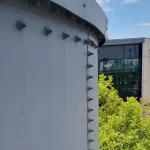
- Examination of the tank shell
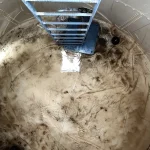
- Inspection of the tank floor
- Evaluation of openings or apertures
- Assessment of coatings and liners
- Examination of settlement levels
- Strapping and calibration
- Inspection of nozzles

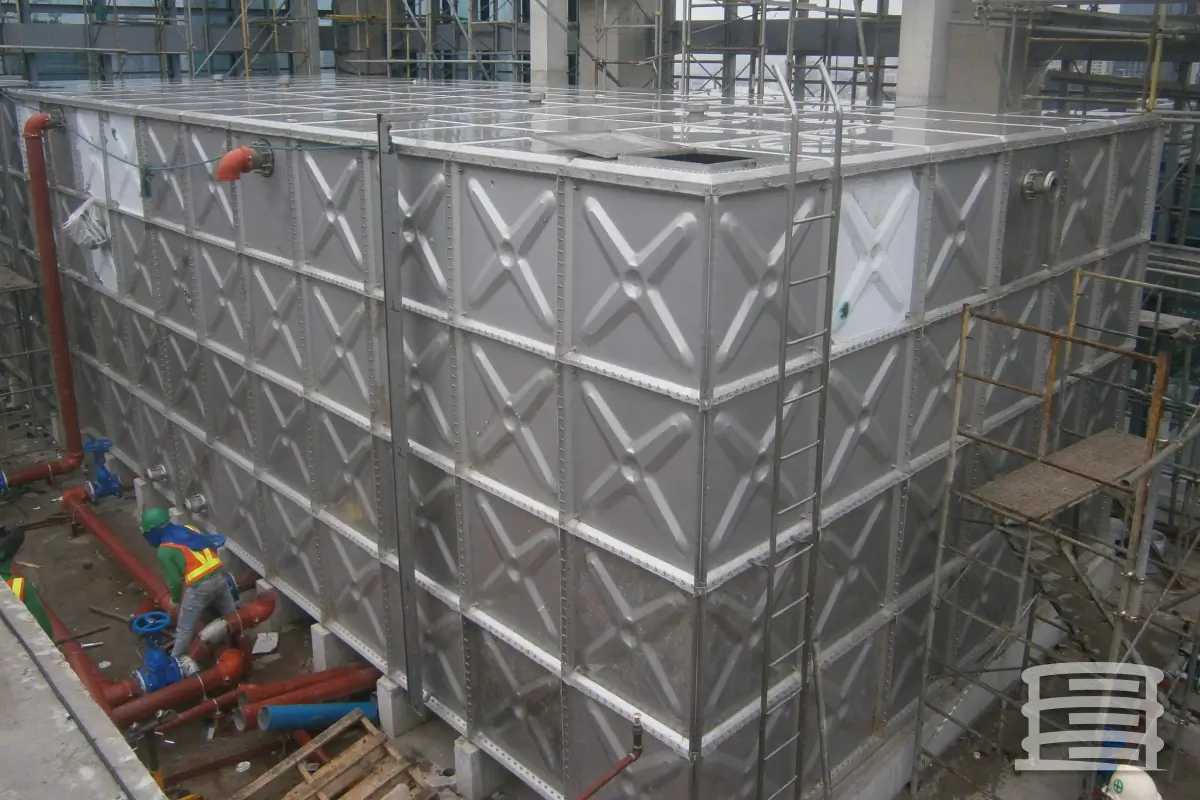
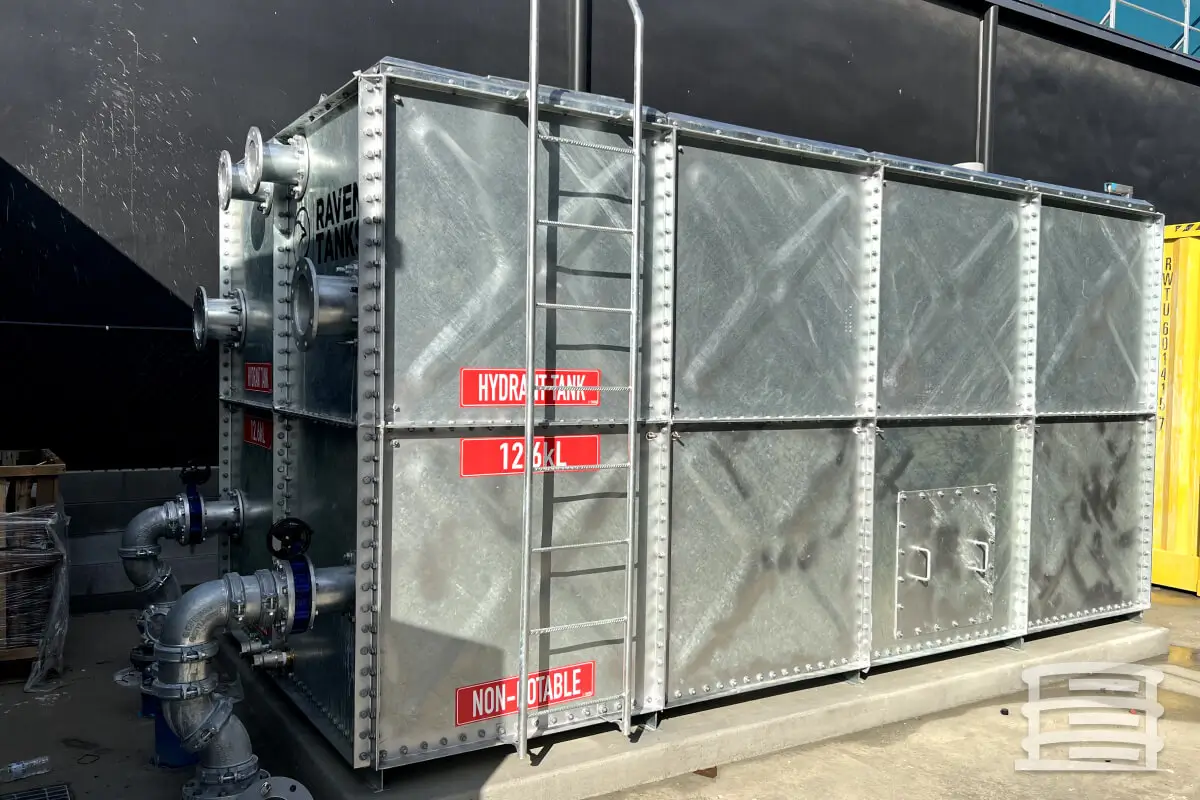
Our expert inspectors will give your tank a thorough once-over, starting with a close look at the outside for cracks or other signs of wear. If they find any cracks, they’ll carefully assess how deep and serious they are before recommending any further testing. They’ll also check the tank walls for rust and other damage, and make sure the surrounding area is free of environmental hazards.
Don’t worry if they find something! Our inspectors will explain the extent of the damage and recommend solutions to get your tank back up to code. In many cases, our team can fix leaks within a day of your inspection, so you won’t have to wait long to get your tank back in shape.
What is the Recommended Frequency for Inspecting and Cleaning Water Storage Tanks?
The frequency of inspections and cleanings can vary depending on the type of tank and the quality of water. Ideally, water storage tanks should be inspected at least every five years, with more frequent inspections required by state regulations if deemed necessary. Cleaning and repairs should be performed based on the results of the tank inspection. It’s recommended to schedule additional inspections between maintenance intervals as a proactive measure.
Circulation
Ensuring continuous circulation is essential to prevent water stratification within a tank. Moreover, to prevent potable storage tanks from freezing, adequate circulation and water turnover are vital.
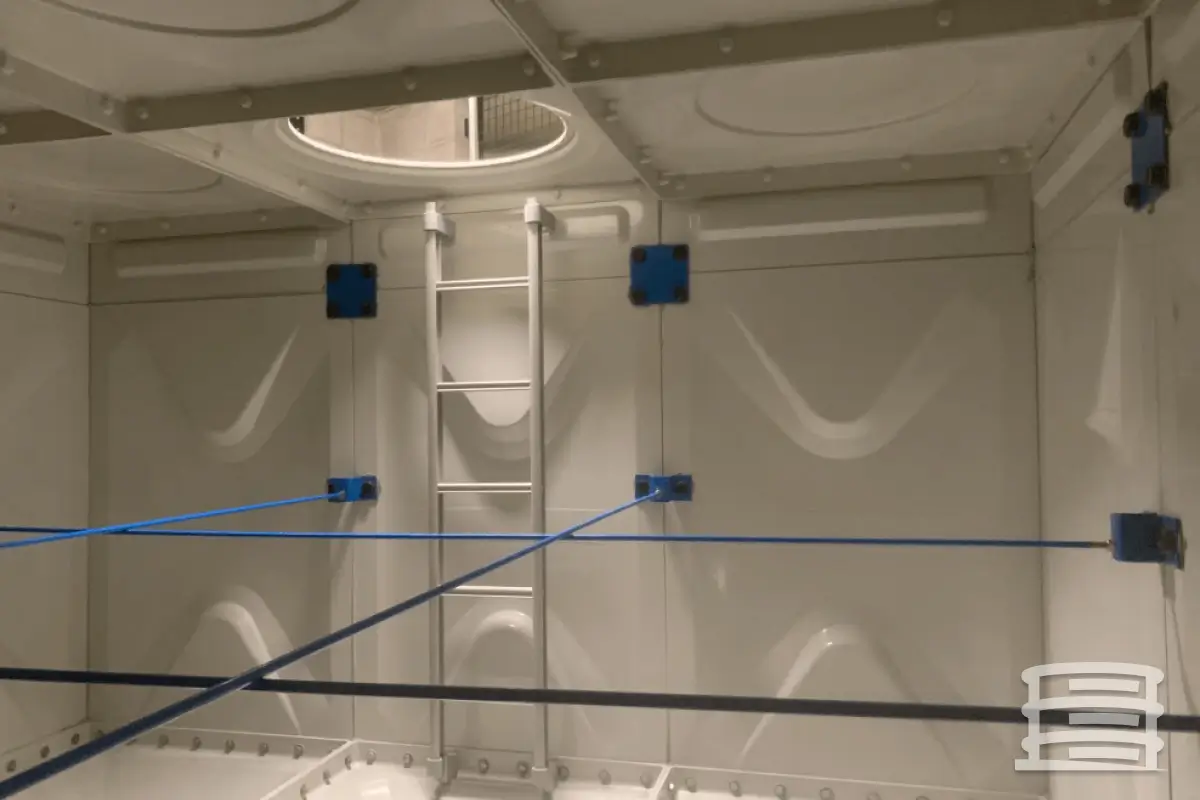
Typically, water enters and exits the water container through inlet and outlet pipes located at the bottom. If the rate of filling exceeds the rate of extraction, the water level rises. Conversely, if the extraction rate exceeds the filling rate, the water level decreases. When filling and extraction rates are equal, the system removes the water that was just added. Consequently, stagnant water collects at the top of the container due to inadequate circulation, leading to stratification and stagnation. Additionally, stagnant water may experience chlorine depletion, promoting microbial growth and unpleasant tastes and odors. Incorporating mixers into your tank is a common and cost-effective solution to mitigate these issues.
To discuss any of the concepts described here in more detail, our friendly and experienced customer service team can help. We offer tried and tested services around Houston, Texas and Longbeach, California.
Call NFPA 25 Inspections by American Tanks at +1 800 656 0167
Or email at info@nfpa25inspections.com