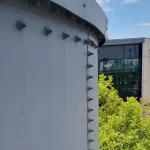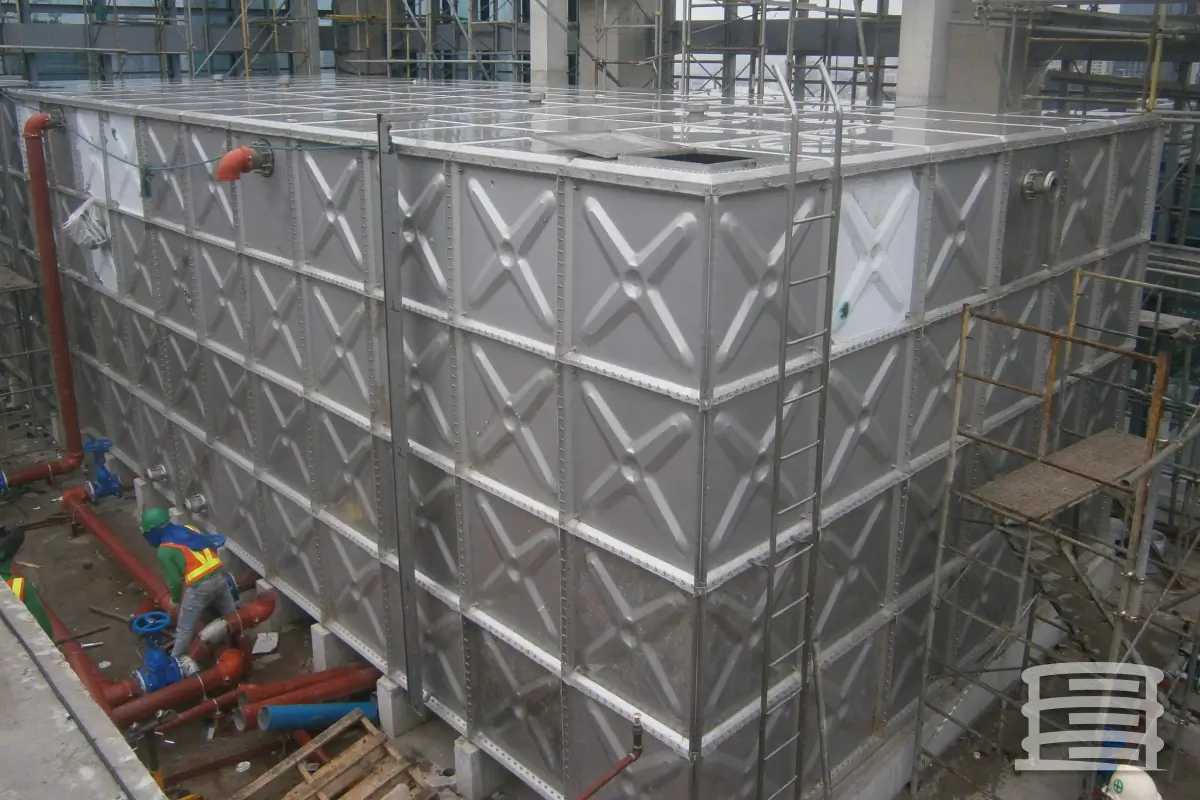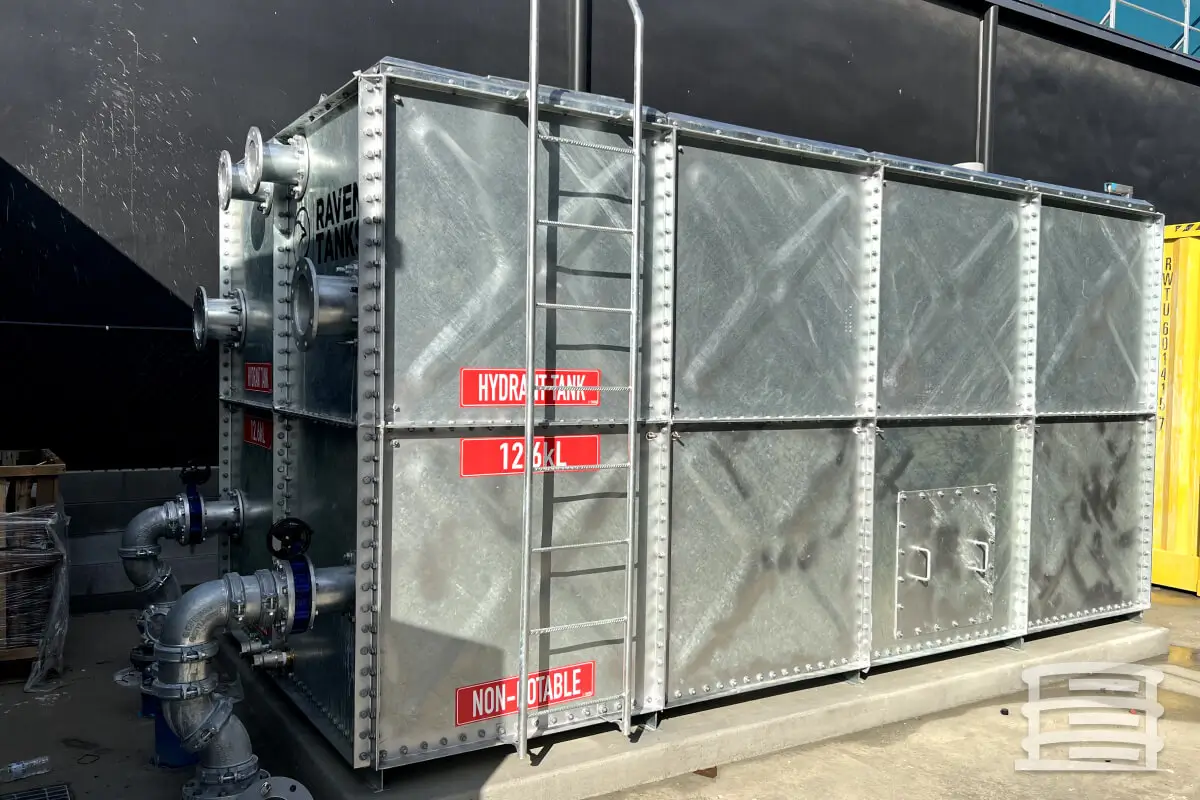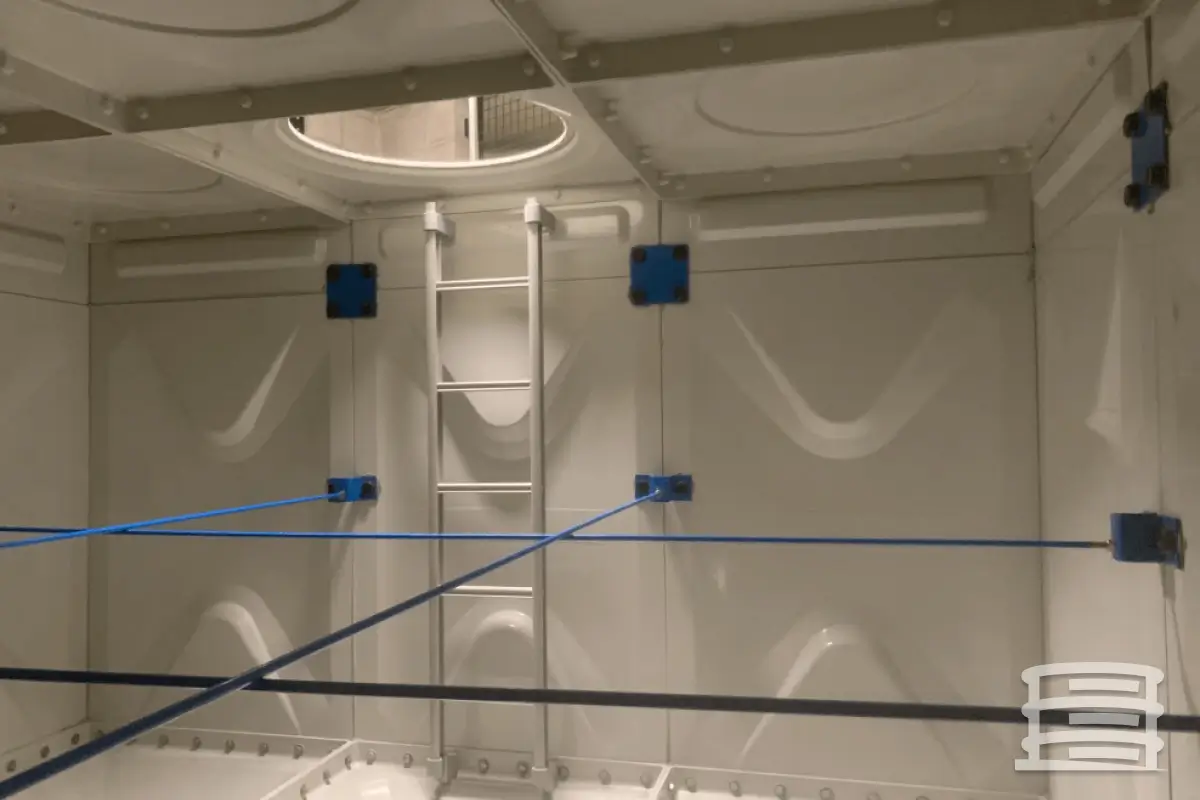


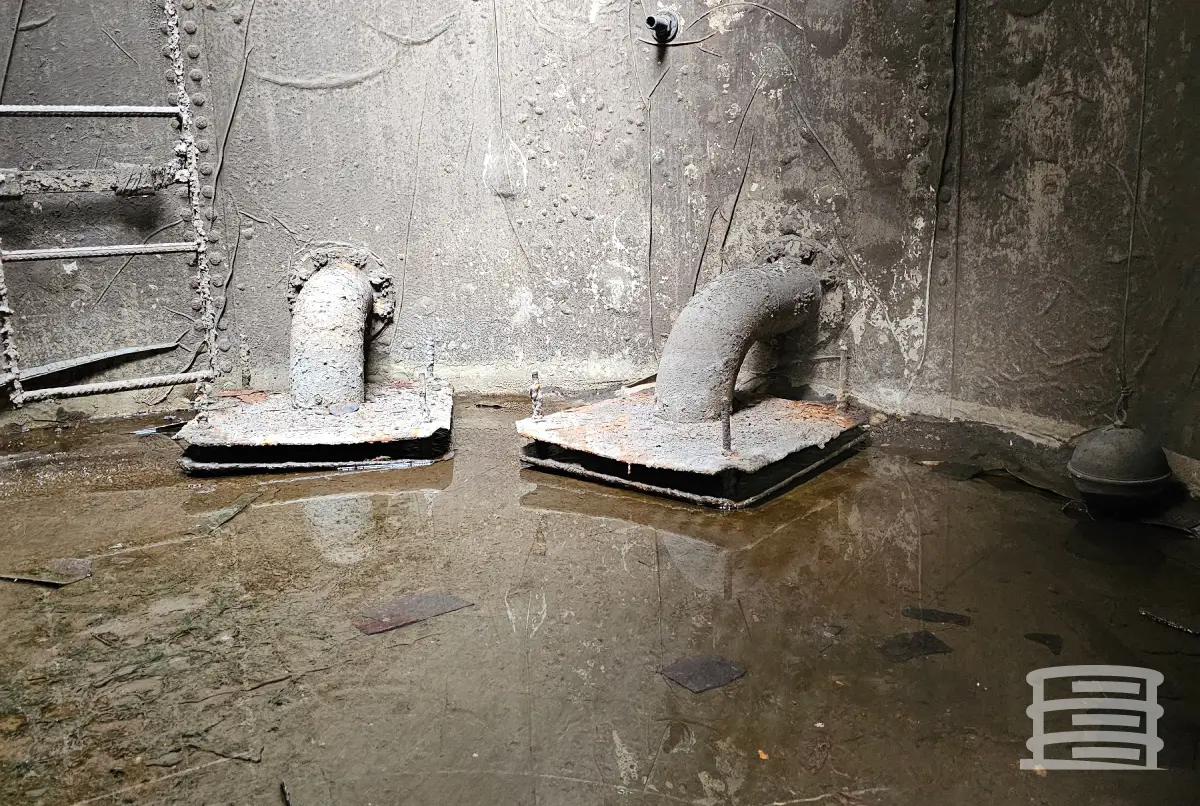
Regular inspection and maintenance of water storage tanks are imperative to maintain water quality within the distribution system and extend the tank’s longevity. Consistent tank inspections help detect minor issues early, preventing them from escalating into major problems that could pose health risks or lead to expensive repairs or premature tank failure. Neglecting regular tank cleaning can result in contamination events, posing health risks or causing aesthetic concerns.
There are two main types of inspections:
- Wet inspections are typically conducted by certified divers or remotely controlled vehicles (ROVs). These inspections are often mandated by state regulations to ensure water quality.
- Issues identified during wet inspections can present challenges during dry inspections. Dry inspections primarily assess structural damage and coating thickness for steel tanks. It’s important to note that dry inspections require the tank to be emptied and taken out of service, and they typically incur three times the cost of wet inspections.
How Often Should a Water System Inspect and Clean Storage Tanks?
How frequently water storage tanks should be inspected and cleaned depends on factors such as the type of tank and the quality of water. Generally, it’s recommended that water storage tanks undergo inspection at least every five years, although more frequent checks may be required by state regulations. Cleaning and repairs should be conducted based on the findings of these inspections, with additional checks suggested between scheduled maintenance intervals.
In many states, tank inspectors are not certified. It’s important to request a standardized report specific to the tank from any potential inspector and ensure that the report meets the approval of the state regulatory agency.
To prepare for the 2017 water quality regulations, it’s advisable to engage inspectors who can provide in-service temperature readings to detect stratification.
Circulation
Water is typically introduced into and extracted from the bottom of the water container through inlet and outlet piping. When the rate of filling exceeds that of extraction, the water level increases, and conversely, it decreases when the extraction rate exceeds the filling rate. If both rates remain consistent, the system withdraws the recently added water. Due to the absence of circulation, the water at the top of the container becomes stratified and stagnant. Moreover, stagnant water may result in chlorine depletion, leading to microbial growth and the emergence of unpleasant tastes and odors. Incorporating mixers into your tank is a common and cost-effective solution to mitigate these issues.
Testing for Contaminants
Irrespective of the method utilized, conducting bacteriological testing is imperative before returning the tank to service. The identification of coliform bacteria in post-disinfection sample testing suggests the potential presence of harmful contaminants in the water.
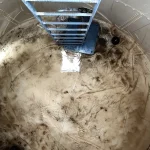
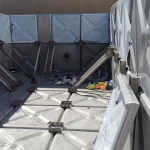
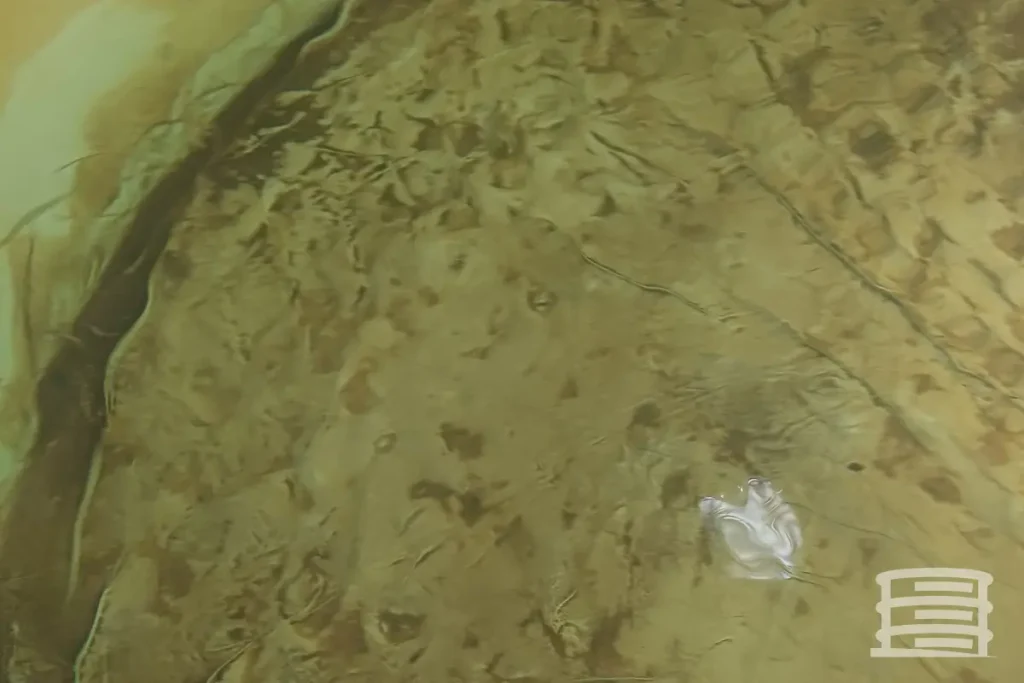
While water analysis helps determine whether microbes and bacteria in a water sample pose a public health threat, there are other contaminants that can be found within the tank. Sediment, such as dirt, mud, sand, rust, and other particles, may accumulate at the tank bottom, covering what would otherwise be a clean white surface with inches of sediment. Excessive sediment buildup can also result in clogged outlet pipes if sediment settles within the pipes.
To discuss any of the concepts described here in more detail, our friendly and experienced customer service team can help. We offer tried and tested services around Houston, Texas and Longbeach, California.
Call NFPA 25 Inspections by American Tanks at +1 800 656 0167
Or email at info@nfpa25inspections.com