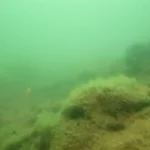



The use of drone technology for identifying flaws within the shipping industry appears to be on the rise. This innovative approach allows drones to capture underwater photographs and videos of facilities, providing numerous benefits for facility maintenance.
Unmanned vehicles are essential components of our monitoring system. Underwater drones are employed for conducting critical inspections. This technology can detect and address flaws in areas inaccessible or unsuitable for human entry, ensuring the structural integrity and longevity of facilities. This is particularly important when assessing berths and breakwaters.
Similar to various other emerging technologies that improve communication with facilities, underwater drones can enhance security, speed, efficiency, and overall response capabilities. The impact of overcoming traditional challenges faced by facilities in infrastructure and asset inspection has been significant, making drones a primary tool for the advancement of smart infrastructures.
Drones have the capability to collect a wide range of data from hard-to-reach locations, facilitating the easy and safe acquisition of accurate data, which informs decisions and allows for proactive resolution of potential issues.
How does the Underwater Drone Work?
Unlike traditional diving methods, underwater drones conquer the depths by cleverly managing their buoyancy. Equipped with powerful motors, these drones can be remotely controlled (either manually or through pre-programmed sensors) to navigate even the darkest underwater environments. Their specially designed cameras capture stunning, high-quality footage in low-light conditions.
Operators pilot these drones from a control panel featuring high-resolution screens that mirror the camera’s view. With a handheld controller in hand, they can precisely guide the drone towards its target, while also adjusting the camera angle, zoom, and rotation for optimal viewing.

Furthermore, operators have the ability to dynamically adjust the vehicle’s tilt, elevation, and orientation in real-time, ensuring a clear and precise view of underwater environments. Pilots can capture high-quality videos or switch to photo mode to take images for assessment by maintenance teams.
With two robotic arms, the underwater drone can also gather samples from the seafloor and water, offering versatility in data collection.
Given the potential for the harsh marine environment to accelerate tank deterioration, regular asset inspections are crucial. The underwater drone has emerged as a primary tool for this purpose.
We utilize drones to inspect various types of marine infrastructure, such as quay walls, jetties, and breakwaters, mitigating job hazards. These drones are robust for repeated use, allowing operators to efficiently conduct inspections in confined spaces.
The adoption of drone technology has been highly successful. Traditional asset inspection methods pose numerous challenges, particularly concerning human safety and the time required for planning and execution. Drones have also addressed concerns regarding data accuracy.
Underwater drones have significantly improved in capability and reach through knowledge sharing and technological advancements.
The duration spent underwater presents a significant challenge in human diving operations. Drones can explore depths inaccessible to divers and can remain submerged for extended periods to gather data. One remaining challenge is ensuring the quality control of repair work, but drones can assist in verifying that work is performed according to specifications.
One of the primary benefits of using underwater drones for asset inspection is that it encourages proactive action through preventative inspections rather than solely conducting inspections when required by regulations or when absolutely necessary due to potential business costs and financial implications.
Is the Widespread use of Underwater Drones Inevitable?
Forget risky dives! Underwater drones are revolutionizing water tank inspections. These unmanned vehicles eliminate the need for divers to enter hazardous environments, making inspections safer and simpler. They’re the perfect solution for getting the job done quickly, efficiently, and effectively.
Have questions? Our friendly and knowledgeable customer service team is here to help! We offer established services in Houston, Texas, and Long Beach, California, so you can get the reliable support you need.
Call NFPA 25 Inspections by American Tanks at +1 800 656 0167
Or email at info@nfpa25inspections.com