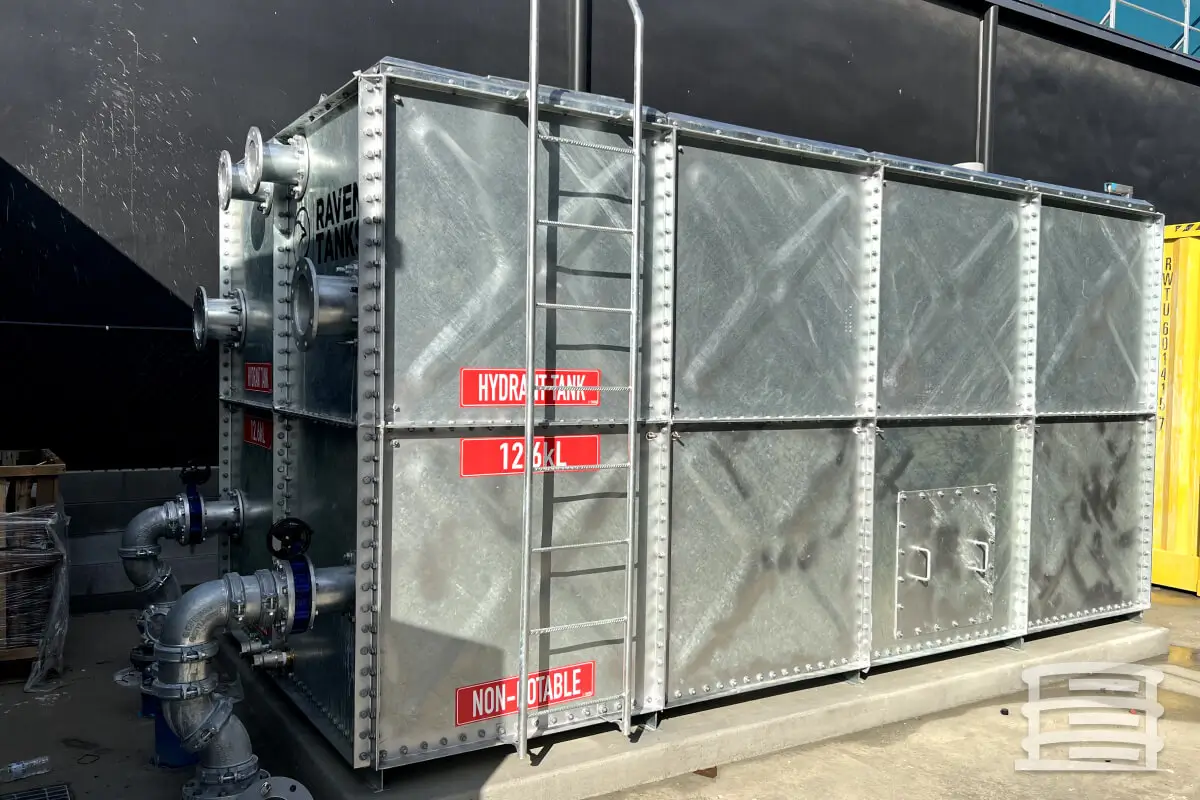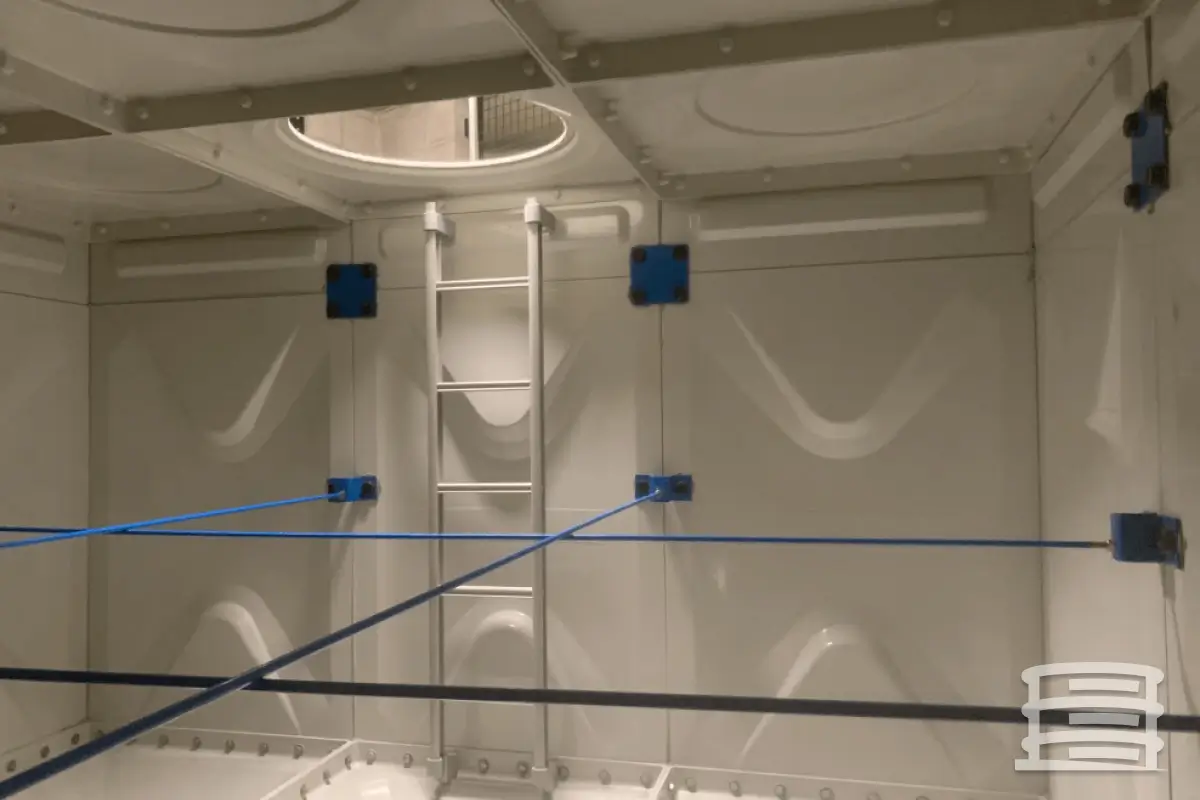


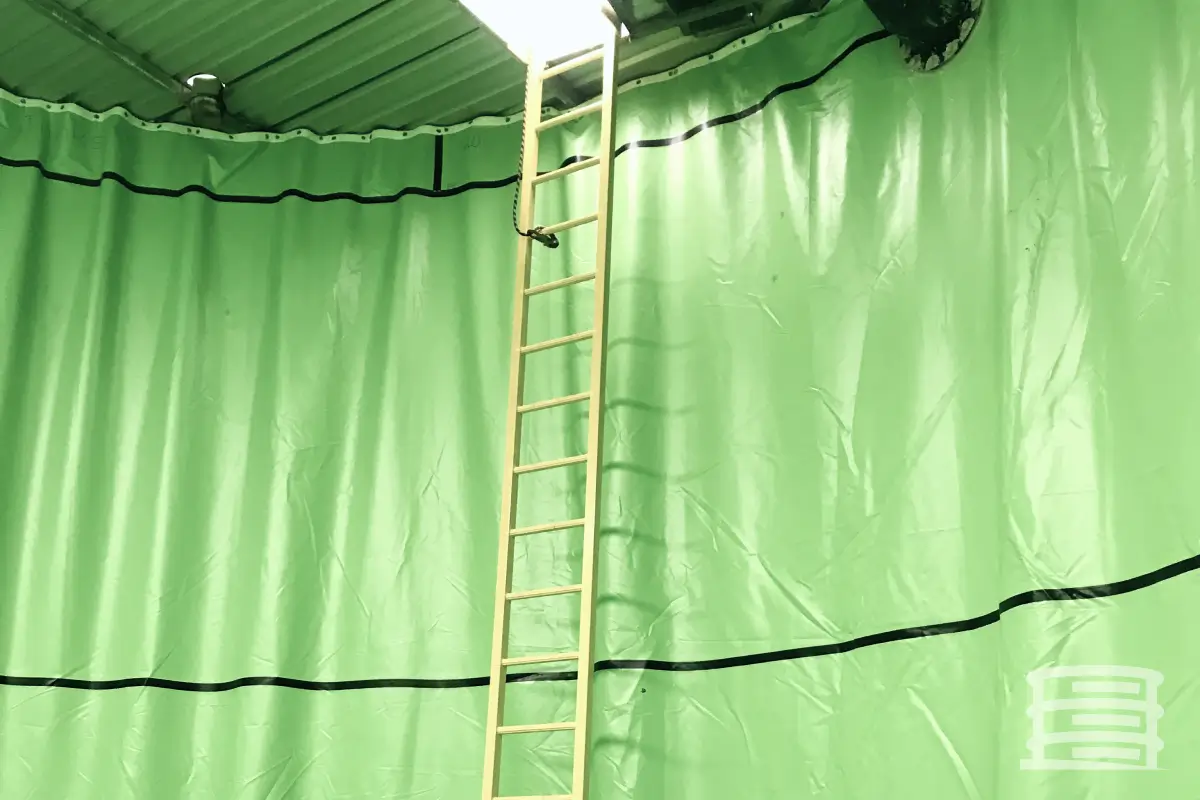
What is a Tank Lining?
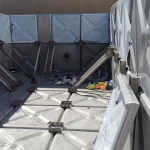
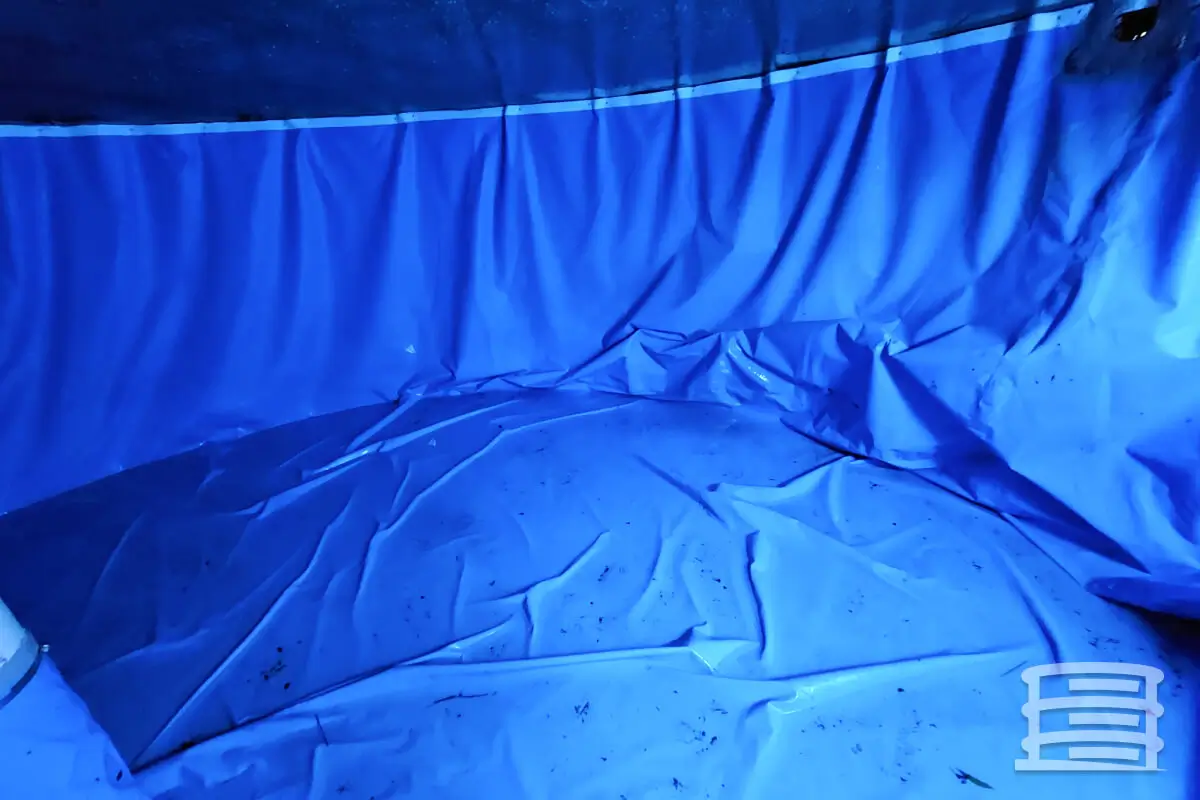
A tank lining protects the underlying material from chemical corrosion inside the tank. An effective tank lining should form a continuous barrier, adhere firmly to the substrate, seal any gaps, provide cost-effective corrosion protection, and prevent potential disruptions.
Federal regulations require that water holding tanks with capacities under 110 gallons be properly lined to ensure chemical containment and prevent leakage.
For many years, the oil and gas industry has identified corrosion within storage facilities as a leading cause of tank failures and discharges. As a result, owners typically implement corrosion prevention measures to protect their investments and extend the lifespan of their tanks.
Effects of Corrosion and how to Prevent it
Corrosion refers to the gradual degradation of materials caused by chemical reactions with their surroundings. Metals, plastics, and other materials can be affected when exposed to certain chemicals. This process can weaken materials, alter their appearance, and reduce their ability to withstand the flow of liquids and gases. Applying a high-quality, corrosion-resistant coating is one effective solution.
Many advanced coatings offer outstanding resistance to corrosion and wear. However, specialized coatings are required to withstand strong acids, alkalis, solvents, gases, oxidizers, extreme temperatures, and other conditions commonly encountered during storage and transportation.
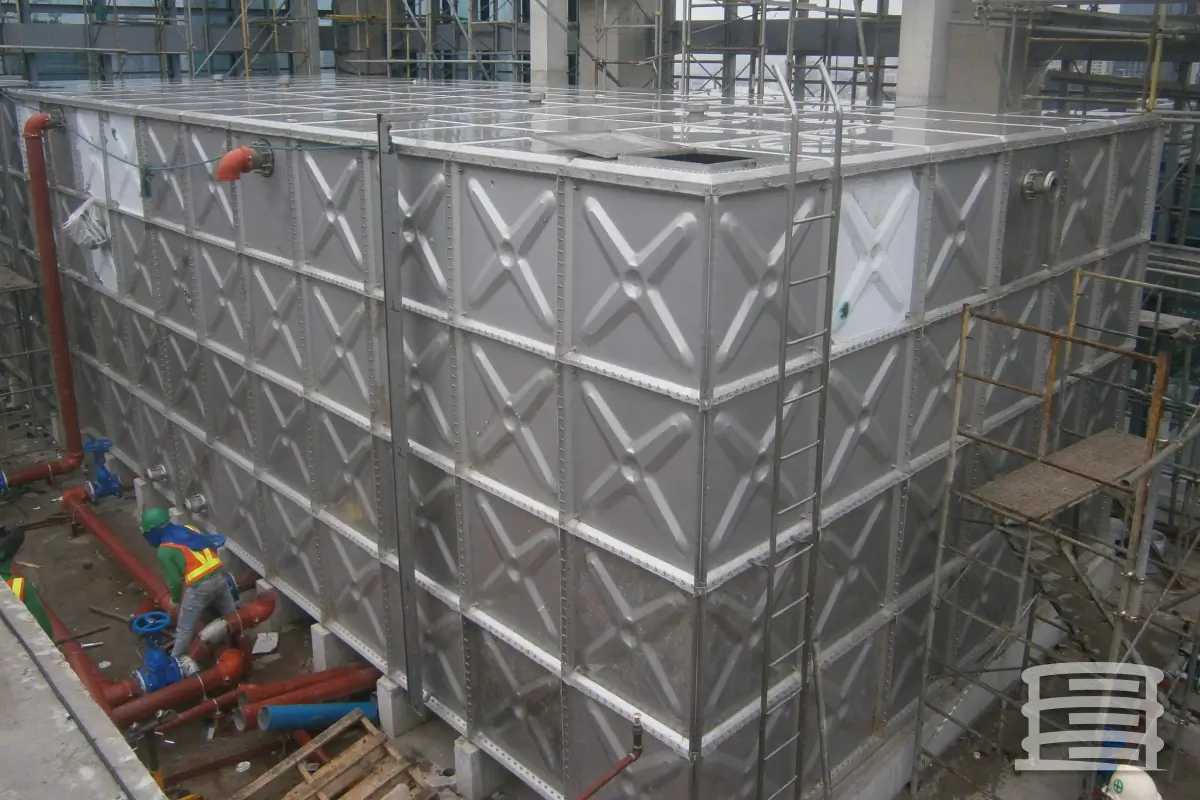
It’s critical to protect both the interior and exterior of metal tanks. Environmental factors and stored substances can accelerate corrosion of steel, potentially causing structural damage if not addressed promptly. This can lead to substantial costs for repairs, loss of productivity, environmental harm, and other indirect expenses for the owner.
Choosing the right coating is crucial for cost-effective corrosion protection. Failure to do so can result in contamination of stored products and deterioration of the tank. Therefore, careful evaluation of various factors is essential when selecting and applying a coating.
Factors to Consider When Choosing Chemical Tank Liners
- Chemical Composition in Storage Tanks
Different chemicals exhibit varied reactions when stored in tanks, influenced by the tank’s construction material such as steel or fiberglass. This can lead to corrosion as chemicals interact with the tank walls. Common corrosive substances include hydrochloric acid and peracetic acid. To safely contain chemicals, industrial facilities handling chemicals should employ appropriate tank liners. It’s essential to assess the specific chemicals involved before selecting a liner, as their corrosion resistance can vary.
- Regulatory Compliance at State and Federal Levels
Setting operational standards for critical industries involves regulatory oversight by federal and local governments. Industries subject to regulation include chemical plants and water treatment facilities. The EPA has compiled a list of 140 chemicals that require facility owners to submit risk management plans to federal regulators if stored in significant quantities. Ensuring compliance with both federal and state regulations is essential before acquiring a chemical liner.
Given the significant risks associated with storing corrosive chemicals in bulk, regulatory oversight is crucial. Many of these chemicals can produce highly flammable hydrogen gas when reacting with metals at high temperatures, posing hazards to personnel and the environment. Employing high-quality industrial tank liners is vital for preventing corrosion and reducing the potential for severe accidents.
- Customized Tank Liners
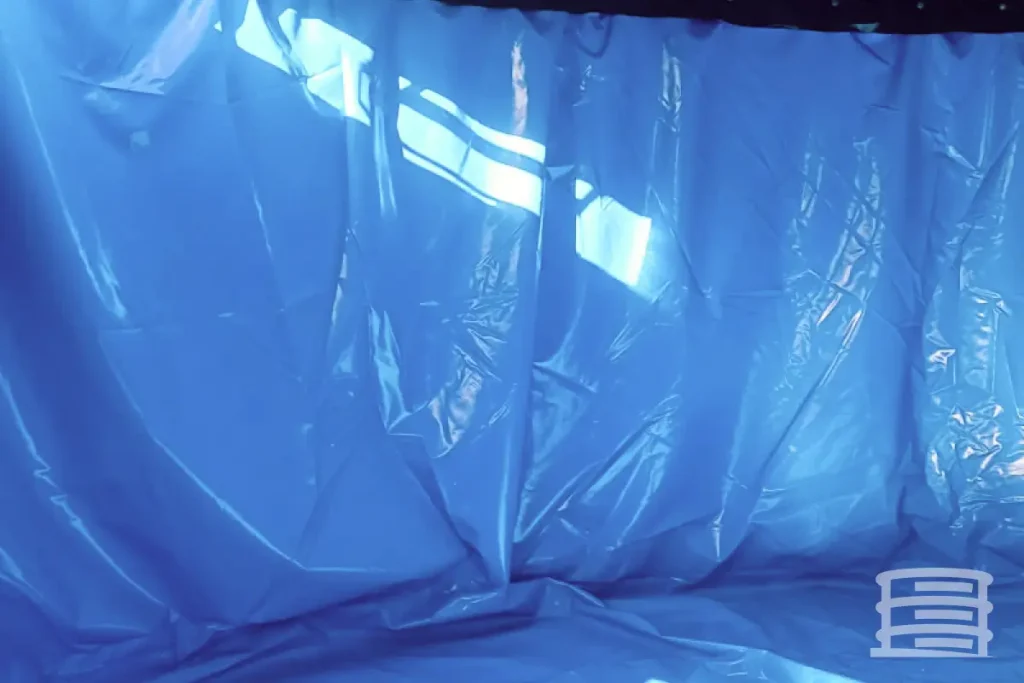
Due to the varied sizes, heights, and shapes of tanks within facilities, there is no one-size-fits-all solution for chemical liners. Customization is crucial, as each liner must be tailored to fit the specific dimensions of the tank precisely. Ensuring complete coverage is essential to prevent chemical corrosion of the tank’s interior surface. Inadequate coverage may leave sections exposed, potentially leading to corrosion and contamination of stored chemicals. To mitigate these risks and ensure long-term durability, it is essential to use customized chemical liners designed for each tank in your facility.
- Professional Installation
Installing tank liners requires precision and technical expertise, necessitating the involvement of experienced professionals. Ideally, the company supplying the liners should also offer installation services to ensure proper fitting and functionality. Given the significant investment in chemical liners, precise installation is critical to avoid premature wear or damage that may require frequent replacements. Improperly installed liners could allow chemicals to reach the tank’s interior surface, causing further degradation and potential chemical reactions. Therefore, professional installation is essential.
Plant managers recognize the critical role of chemical liners in safeguarding stored chemicals and maintaining tank integrity. Mishandling corrosive substances poses risks to both plant operations and the environment, highlighting the importance of using high-quality liners. By employing industrial tank liners, the lifespan of chemical tanks is prolonged, ensuring effective protection and extended serviceability.
The above factors will help you decide why you need a tank liner. But if you’re still unsure about your decision, it helps to talk to an expert. Our staff can help point you in the right direction. So call us today.
Our friendly and experienced customer service team is here to help you!
Call NFPA 25 Inspections by American Tanks at +1 800 656 0167
Or email at info@nfpa25inspections.com